
Long client hours and late-night revisions steal your sleep, killing creativity and decision making. These nine practical sleep habits help busy agency owners reclaim restorative rest and stronger workdays.
Build a 60-Minute Wind-Down Routine for Predictable Sleep
Create a consistent pre-sleep ritual that signals your brain it is time to switch modes. Start with 60 minutes of low-stimulation activities, such as dimming lights, stopping work notifications, and doing gentle stretches or reading.
Routines reduce cognitive friction when your body is ready to sleep, so you fall asleep faster and wake up less during the night. Treat this routine like a client meeting you cannot miss, and guard the time the same way you guard deliverables.
Pro Tip: Put devices in a designated “charging box” outside the bedroom to remove temptation and reduce blue light exposure before bed.
Fix Your Sleep Window, Even When Schedules Shift
Pick a realistic bedtime and wake time and stick to that window within 60 minutes on most days, including weekends. Consistency stabilizes your circadian rhythm and helps you hit deep sleep stages more reliably.
If late nights are unavoidable occasionally, plan recovery by shifting your sleep window gradually over a few nights rather than swinging wildly. Use calendar blocks to protect your wake time and mark sleep as a non-negotiable part of your schedule.
Quick Tip: Set two calendar events: “Start wind-down” and “Lights out,” then treat them as fixed appointments with yourself.
Optimize Bedroom Environment for Deep Rest and Faster Recovery
Control temperature, light, and noise to create a stable sleep environment. Aim for a cool room, invest in blackout shades, and consider a white noise machine or high-quality earplugs to mask irregular sounds.
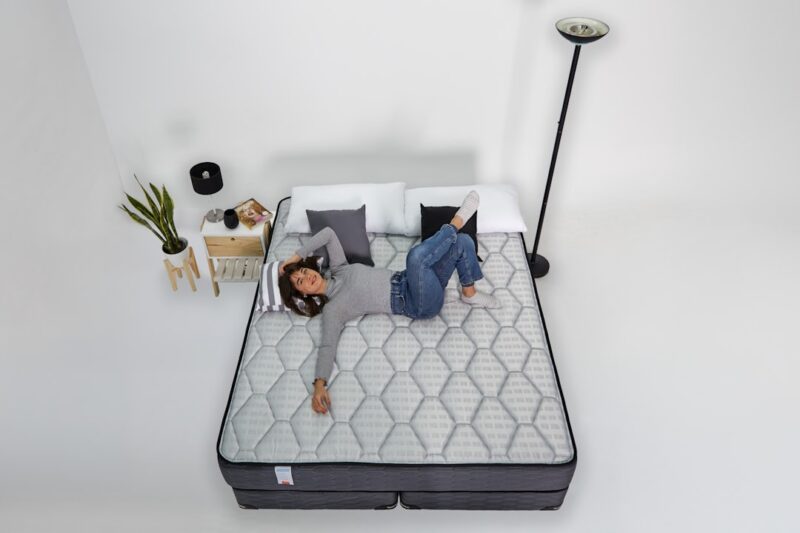
Comfortable bedding and a supportive mattress reduce tossing and turning, which matters when you only have limited hours to recharge. Small upgrades pay off in better focus and less morning grogginess that steals productive agency hours.
Expert Insight: Keep a small bedside notebook for urgent thoughts so you can jot them down instead of replaying them in bed.
Use Strategic Caffeine and Alcohol Timing to Protect REM
Caffeine can linger longer than you expect, and alcohol fragments REM sleep and reduces restorative cycles. Limit caffeine to the morning and avoid alcohol within three to four hours of bedtime to protect deep sleep quality.
Swap late-afternoon coffee for low-caffeine options or herbal tea, and if you choose to drink alcohol, pair it with a longer wind-down and a later bedtime to accommodate its effects. This helps you wake up clearer for client calls and creative work.
Insider Tip: Track how caffeine timing affects your sleep for a week and adjust by 30-minute increments until you find your cutoff.
Short, Smart Naps That Boost Productivity Without Ruining Night Sleep
Nap strategically to restore alertness, not to compensate for chronic sleep loss. Keep naps to 20 to 30 minutes and schedule them before mid-afternoon to avoid confusing your sleep drive at night.
A well-timed nap can improve creativity, decision making, and mood for late-afternoon client work. If you need something longer, aim for a full 90-minute cycle on weekends or during low-pressure days to avoid sleep inertia.
Heads Up: Avoid late-day naps after 3 PM if you struggle to fall asleep at night; swap naps for a brisk walk instead.
Practice a 5-10 Minute Pre-Sleep Journaling Habit to Clear Your Mind
Spend five to ten minutes writing a quick brain dump of tasks, ideas, and worries before you begin your wind-down. Capturing those items reduces nighttime rumination so your brain can shift into rest mode.
Include a short gratitude note or one small win from the day to end the entry on a positive, calming note. Over time this habit reduces nighttime task rehearsal and shortens the time it takes to fall asleep.
Worth Knowing: Use prompts like “Tomorrow I will…” or “Done today” to separate planning from sleeping and to ease mental looping.
Schedule ‘No-Meeting’ Windows Around Sleep Needs to Protect Rest
Block evening and early-morning hours on your calendar as off-limits for meetings and notifications. Clear boundaries stop late client asks from creeping into core sleep preparation time.
Communicate your sleep blocks to clients and your team as a productivity play: well-rested leaders make faster, better decisions. Use asynchronous updates and scheduling tools to keep work flowing without sacrificing rest.
Pro Tip: Add a short note to your email signature that states your typical response hours and offers an emergency contact method so boundaries feel professional and clear.
Use Light Exposure to Set Your Circadian Rhythm for Peak Focus
Get bright light exposure within the first 30 minutes of waking to anchor your internal clock and boost daytime alertness. Natural sunlight is best, so take a quick walk or work near a window early each day.
Limit strong indoor lighting and screens in the hour before bed, and switch devices to warm color settings after sunset. Proper light timing helps you fall asleep faster and improves morning clarity for client strategy sessions.
Quick Tip: If you cannot get sunlight in the morning, use a bright light therapy lamp for 15 to 20 minutes to achieve a similar effect.
Track Sleep Data Without Obsession, Then Adjust Gradually
Use an app or wearable to notice patterns like total sleep time, sleep efficiency, and wake after sleep onset for two to four weeks. Focus on trends rather than nightly fluctuations so small setbacks do not derail progress.
Make one change at a time and test it for a week or two, then review the data to see if the tweak improved rest. This iterative approach keeps you practical and prevents paralysis by analysis while improving sleep quality in measurable steps.
Expert Insight: Look for consistent improvements in how you feel and perform, not just numbers, because subjective recovery matters for leadership energy.
Wake Up to Better Leadership: Try One Habit This Week
Pick one habit from this list and commit to it for seven days, then review results and add another habit the following week. Which change will you try first to guard your sleep and sharpen your leadership this month?